James Taylor and His Lasting Legacy at the Toowoomba Turf Club
When we look back over more than 160 years of racing at Clifford Park, certain names stand out as pillars of our story. Among them, few have left a legacy as enduring, or as deeply woven into the fabric of the Toowoomba Turf Club, as James Taylor.
His contribution went far beyond administration or patronage. James Taylor helped shape racing on the Darling Downs at a time when the future of the region itself was still taking form.
“Many institutions had benefited financially through his gifts.”
A Life Shaped by the Darling Downs
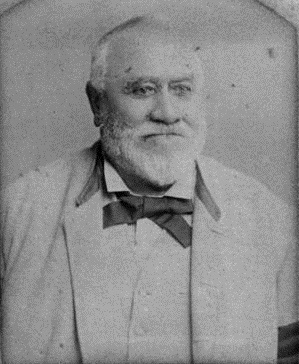
Born in Toowoomba in 1860, James Taylor was deeply connected to the land and the people of the region from an early age. His family played a prominent role in pastoral development across Queensland, and racing was a natural extension of that world, where horsemanship, breeding and community life intersected.
Taylor was known as a skilled horseman and an enthusiastic amateur rider, regularly competing in hunting and equestrian events. His love of horses was not theoretical, it was practical, lived and demonstrated both in competition and in leadership.
This firsthand understanding of racing and breeding gave him credibility, insight and influence at a time when the sport was still finding its structure.
Racing, Leadership and Vision
While James Taylor’s interests extended across public life, racing remained at the centre of his passions. He held senior roles in numerous organisations, but his connection to the Toowoomba Turf Club was particularly significant.
Taylor served as President of the Toowoomba Turf Club from 1909 until 1928, a period of stability and growth that helped shape the club’s modern identity. Under his leadership, the club strengthened its governance, expanded its influence and reinforced its role as a cornerstone of racing in Queensland’s south-west.
His involvement did not stop there. He was also chairman of the Toowoomba Board of the Queensland Trustees, president of the Darling Downs and South-Western District Racing Association, and a trustee of the Toowoomba racecourse , roles that allowed him to advocate for racing at both a local and state level.
In every position, Taylor brought a clear belief: that racing mattered, not just as sport, but as an economic, social and cultural driver for the region.
A Benefactor to Racing and Community
James Taylor was widely recognised for his generosity. Many institutions benefited from his financial support, and racing was no exception.
He was a trustee and later president of the Royal Agricultural Society of Queensland, and when the society faced financial difficulty, Taylor made a substantial personal donation to ensure its survival. His name lives on through the James Taylor Pavilion, a reminder of his belief in supporting the institutions that sustained regional life.
His generosity reflected a broader philosophy, that success carried responsibility, and that strong communities were built through shared investment.
Success on the Track
Taylor’s influence was not confined to boardrooms.
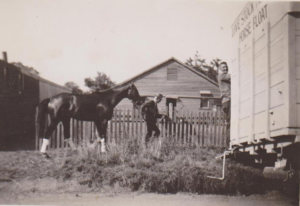
He owned and bred a number of notable racehorses, including Togo, an outstanding performer that won the AJC Doncaster Handicap at Randwick in 1908 and claimed victory in the Queensland Derby. Togo was also a multiple champion blood horse at Royal Agricultural Society shows, further cementing Taylor’s reputation within racing circles.
These successes reinforced his standing as someone who understood racing from every angle, as an owner, breeder, administrator and advocate.
A Legacy That Endures
James Taylor spent much of his life at Clifford House, a property closely tied to his family’s history and to the wider story of the Darling Downs. His passing at the age of 78 marked the loss of one of Queensland’s most respected pastoralists and racing figures.
For the Toowoomba Turf Club, his legacy is enduring.
Taylor’s leadership helped anchor the club during its formative decades. His advocacy strengthened racing’s place in the region. His generosity supported institutions that continue to serve the community today. And his belief in the future of Toowoomba helped lay the foundations for what Clifford Park has become.
When we reflect on where we’ve come from, James Taylor’s name stands as a reminder that Clifford Park was built not just on land and infrastructure, but on vision, commitment and a deep connection to the Darling Downs.